

MYSPAN01
Member
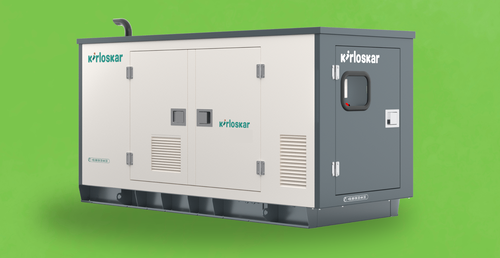
Generators: The Readiness Test That Separates Confidence from Risk
Many facilities operate with generators they've never tested under load. Equipment sits idle for months or years, then fails during the emergency it was installed to prevent. This scenario plays out repeatedly—generators that seemed reliable until they suddenly weren't. The solution is straightforward: systematic testing proving actual readiness.
The Silent Failure Problem
Idle Equipment Deterioration Generators sitting unused experience:
- Fuel degradation (within 6-12 months)
- Battery self-discharge and corrosion
- Seal drying and performance loss
- Rust and internal corrosion
- Electrical circuit degradation
Real-World Scenario A hospital relies on backup generators installed 18 months prior. Grid failure occurs during surgery. Generators activate... and fail. The surgical suite loses power mid-procedure. The equipment was never tested under actual load to verify readiness.
This scenario is preventable through systematic testing.
Load Testing: Proof of Actual Performance
What Load Testing Reveals Professional load testing identifies:
- Actual power output capacity (not theoretical)
- Voltage regulation consistency
- Load response speed and stability
- Engine performance under sustained operation
- Fuel consumption rates
- Cooling system effectiveness
- Electrical system functionality
- Hidden problems before emergencies expose them
- Generators produce 20-30% below rated capacity
- Voltage fluctuates beyond acceptable ranges
- Startup systems are unreliable
- Cooling inadequacy risks overheating
- Fuel systems contain contamination
- Electrical components are degraded
Regulatory & Insurance Requirements
Compliance Mandates Most jurisdictions require:
- Annual load testing for mission-critical applications
- Documented performance verification
- Compliance certification
- Regular maintenance records
- Emergency response documentation
- Require annual testing proof
- Refuse claims for untested generator failures
- Mandate maintenance documentation
- Demand compliance verification
Facility-Specific Testing Strategy
Hospital & Medical Facilities Life-safety systems demand rigorous testing:
- Quarterly load testing (not annual)
- Complete system verification
- Backup scenario testing
- Extended runtime validation
- Monthly load testing
- Redundant system verification
- Failure scenario testing
- Performance monitoring systems
- Semi-annual load testing
- Heavy-load performance verification
- Extended runtime capability confirmation
- Integration testing with production systems
Testing Reveals True Total Cost of Ownership
Equipment costing AED 500,000 that fails during emergencies actually costs AED 2-5 million in operational losses, liability exposure, and damage control.
Testing that costs AED 5,000-8,000 annually prevents these catastrophic failures.
Professional Testing vs. Assumptions
Professional Load Testing:
- Connects calibrated load banks simulating actual demand
- Monitors performance across multiple parameters
- Documents results for compliance and insurance
- Identifies problems enabling corrective action
- Provides operational confidence
- "Equipment should work because we installed it"
- Hope-based reliability (no actual proof)
- Emergency discovery of failures
- Catastrophic operational consequences
MYSPAN: Testing Excellence & Readiness Assurance
MYSPAN's load testing and verification programs eliminate assumptions. We prove generators are actually ready—eliminating risk through systematic, documented verification.
Verify your operational readiness. Contact MYSPAN Power Solutions.